 |
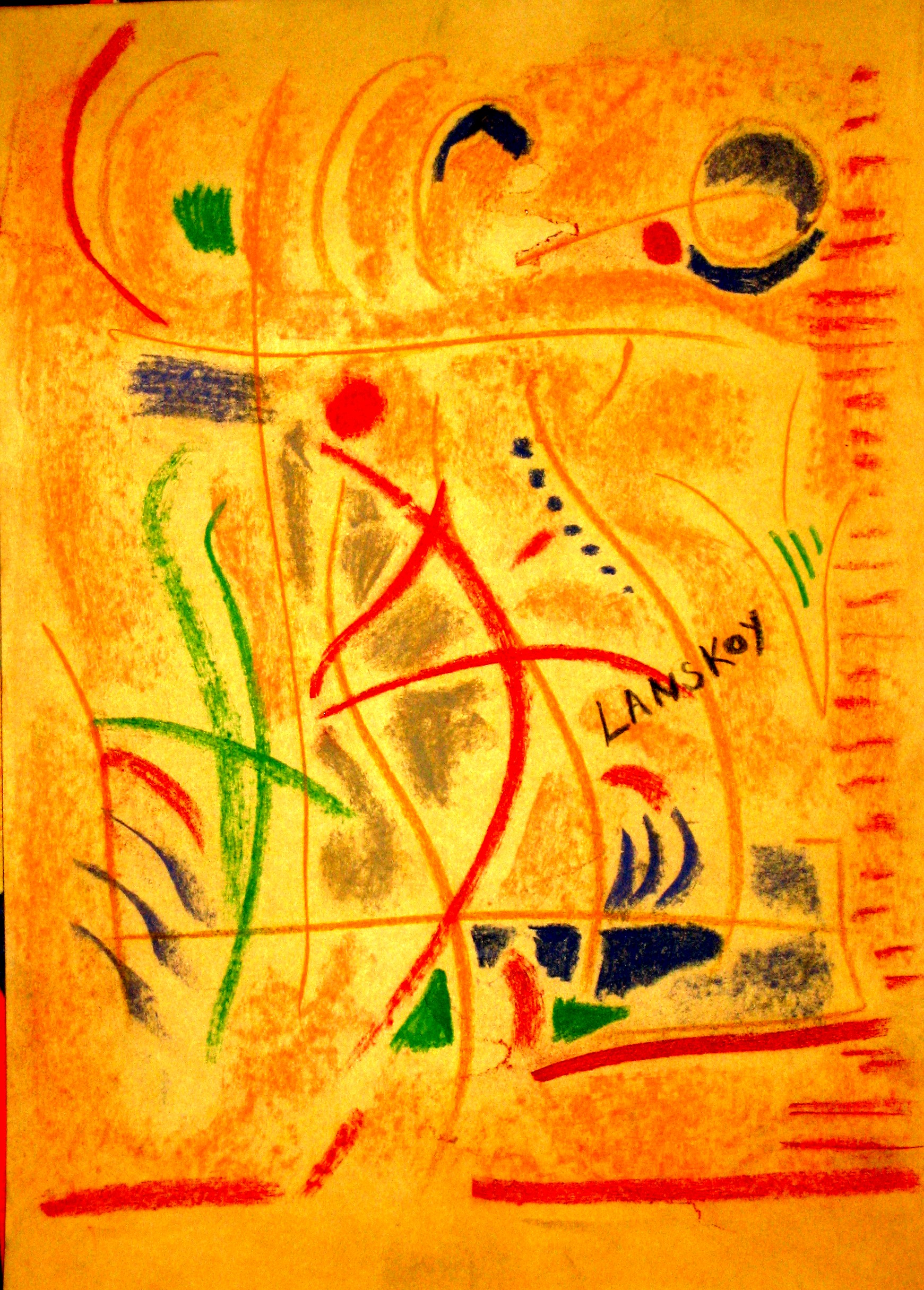
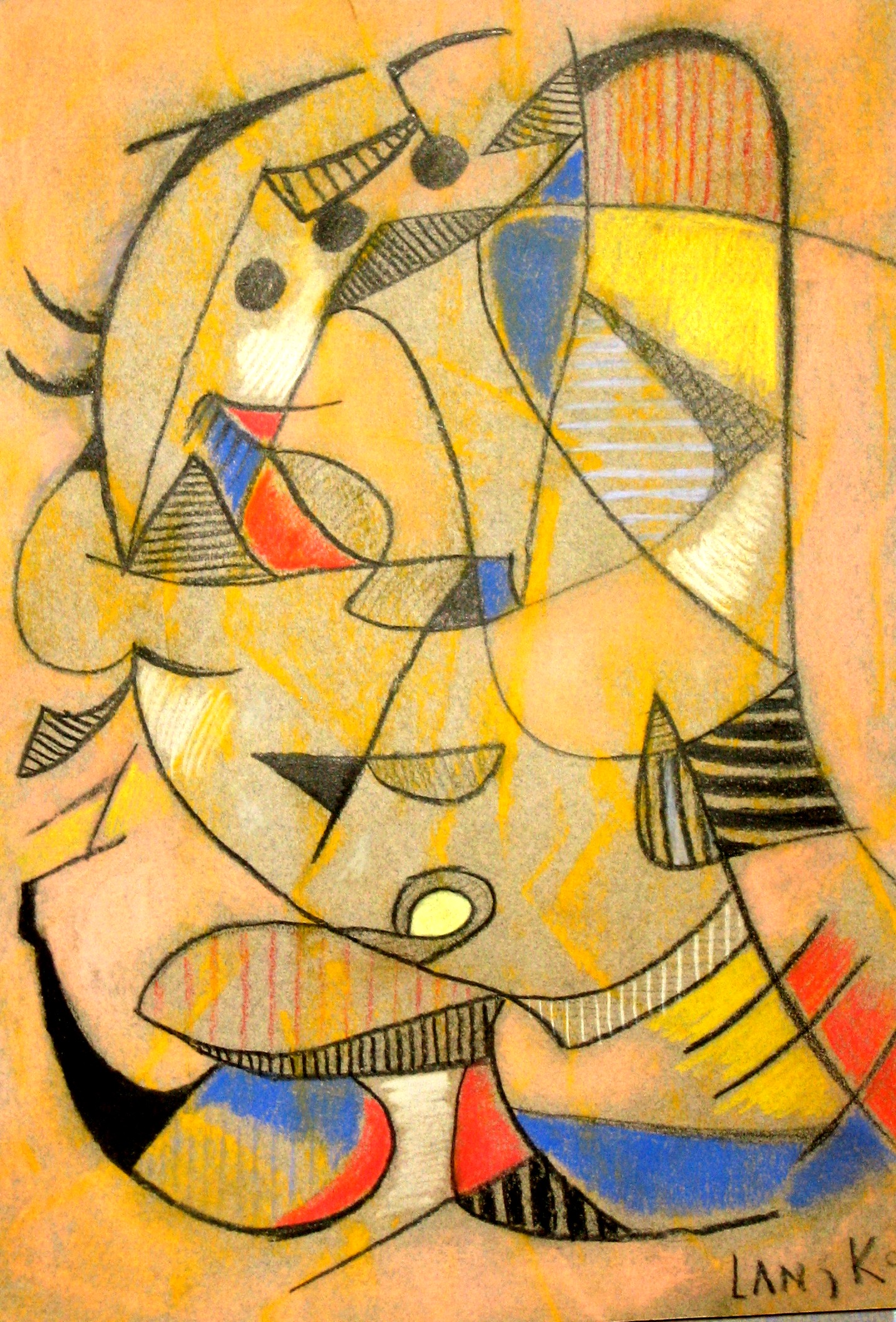
TWO ABSTRACT
COMPOSITIONS
Drawing-Watercolour , Mixed media/paper
,14x10.5 in (36x27 cm)
PROVENANCE: MSTISLAV DOBUJINSKI ESTATE
(STAMP ON THE REVERSE) - ONE OF TWO ITEMS TO CHOOSE
FROM OR BOTH FOR $3000 |

|
ALOA1,2 $2000 EACH |
|
 |
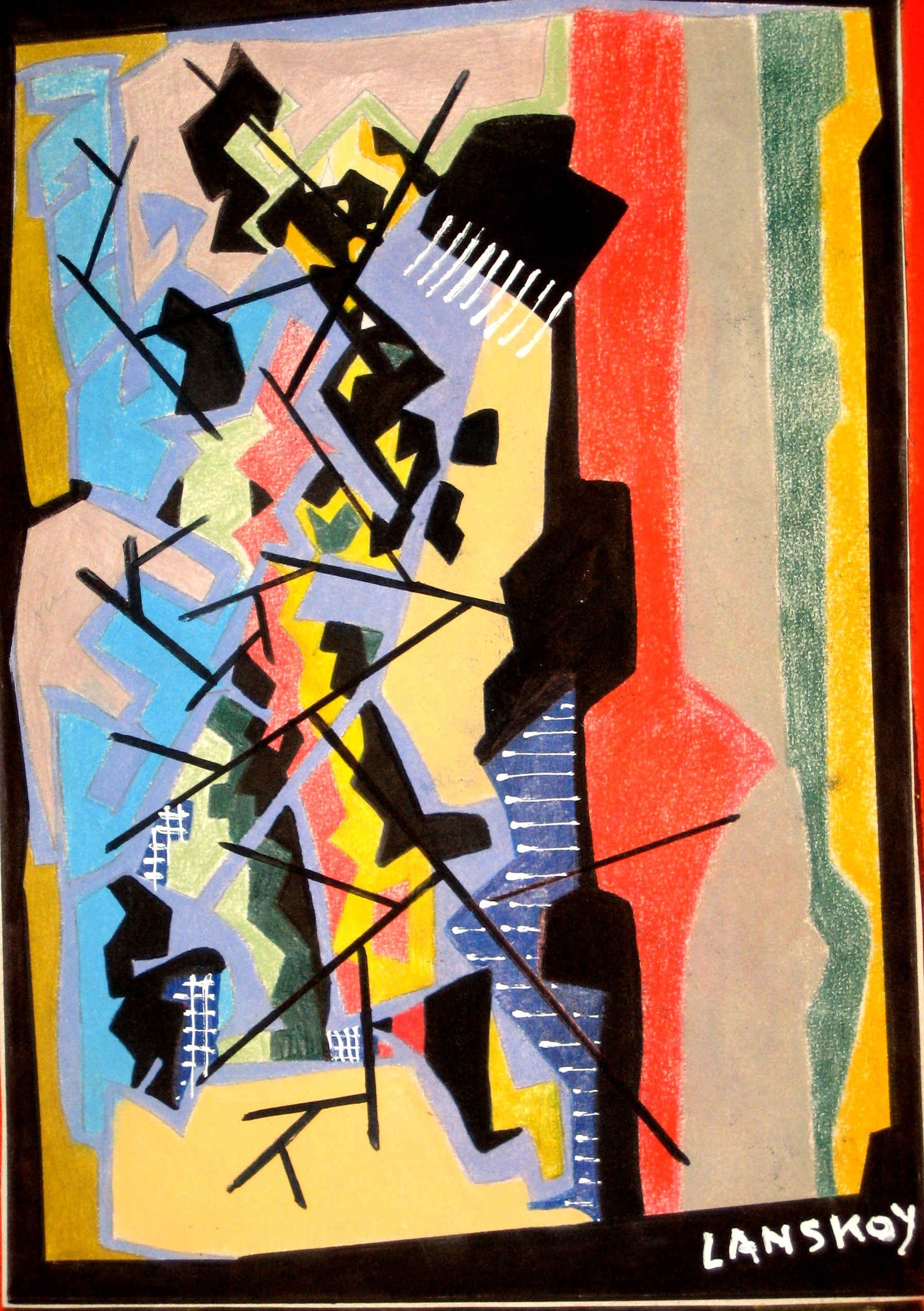
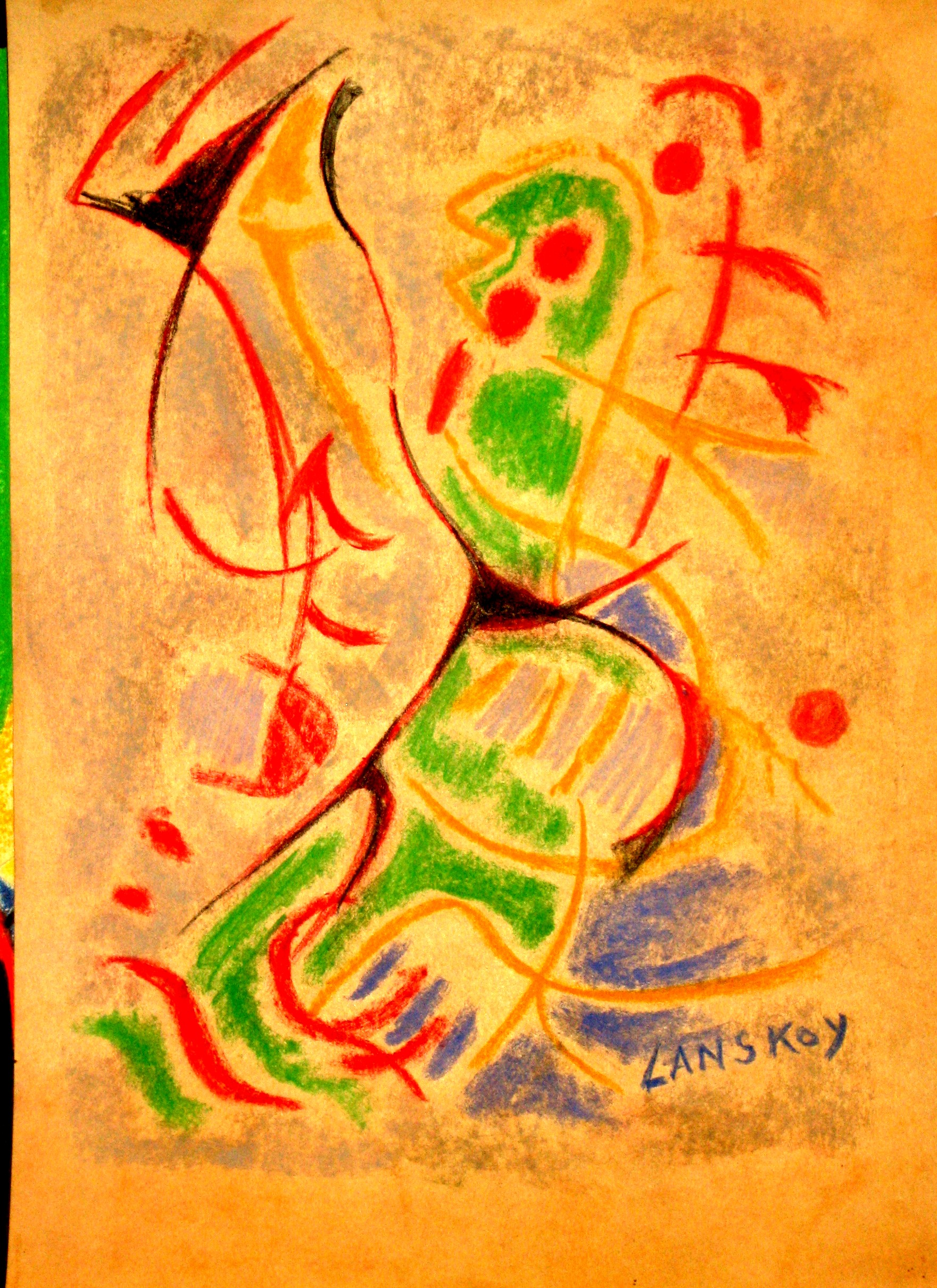
TWO ABSTRACT
COMPOSITIONS
Drawing-Watercolour , Mixed media/paper
,8x12 in
PROVENANCE: MSTISLAV DOBUJINSKI ESTATE
(STAMP ON THE REVERSE) - ONE OF TWO ITEMS TO CHOOSE
FROM OR BOTH FOR $1500 |
 |
|
ALOA4,5 $1000 EACH |
|
|
 |
TWO ABSTRACT
COMPOSITIONS
Drawing-Watercolour , Mixed media/paper
,8X12 in
PROVENANCE: MSTISLAV DOBUJINSKI ESTATE
(STAMP ON THE REVERSE) - ONE OF TWO ITEMS TO CHOOSE
FROM OR BOTH FOR $1500 |
 |
|
|
ALOA7 AND 8 $1000 EACH |
 |
TWO ABSTRACT
PORTRAITS
Drawing-Watercolour , Mixed media/paper
,8X12 in
PROVENANCE: MSTISLAV DOBUJINSKI ESTATE
(STAMP ON THE REVERSE) - ONE OF TWO ITEMS TO CHOOSE
FROM OR BOTH FOR $2500 |
 |
|
|
ALOA9 AND 10 $1500 EACH |
|
|
|
|
BIOGRAPHY OF THE ARTIST
Andre Lanskoy

|
Born Moscow 31 March 1902, died
Paris 22 August 1976.
Son of Count Lanskoy, he was a pupil
at the School of Pages in St.
Petersburgh, and at the outbreak of
the Revolution joined the Czarist
forces. Afterwards he lived in Kiev,
where he began to paint under the
guidance of Soudeikine, a
fashionable painter- decorator, and
then moved to the Crimea. In Paris
in 1921 he attended the Académie de
la Grande Chaumičre, where he
discovered the work of Van Gogh and
Matisse, and associated with Soutine,
whose influence may be seen in
Lanskoy’s expressionist paintings of
figures and still-lives of this
period. After exhibiting in a group
show in 1923, he was discovered by
Wilhelm Uhde, who organized his
first one-man show in 1925. He
showed landscapes and interiors, but
subject matter was secondary to the
surface quality of the paint and the
luminous color harmonies, which
tended towards a dominant
monochrome. In 1938 an exhibition of
his work toured the Netherlands. By
1939 his gouaches already showed
color liberated from its imitative
capacity and used for its purely
expressive qualities. But it was not
until the final years of the war
that the rest of his work became
concerned with abstracting the
painted form from reality. He always
refused to attribute great
importance to this journey towards
abstraction, affirming the identity
of nature between figurative and
abstract painting. Those works made
between 1944 and 1948 were exhibited
in Paris in 1948, and followed by
exhibitions in Brussels, London,
Lausanne, Zurich, New York Berlin
and elsewhere. They made his
painting - teeming as a virgin
forest, brilliant as a Russian
ballet, inventive as a popular fete,
prodigal as a prosperous grandee -
whose casual quality pleased the
somber mood of De Staël - known
across the world. His colored
enchantments were easily transformed
from the impasto of the knife into
tapestries of an oriental
sumptuousness. He took part in
innumerable group exhibitions,
including, in Paris, the Salons de
Mai and the Realités Nouvelles. |
|
|
|